
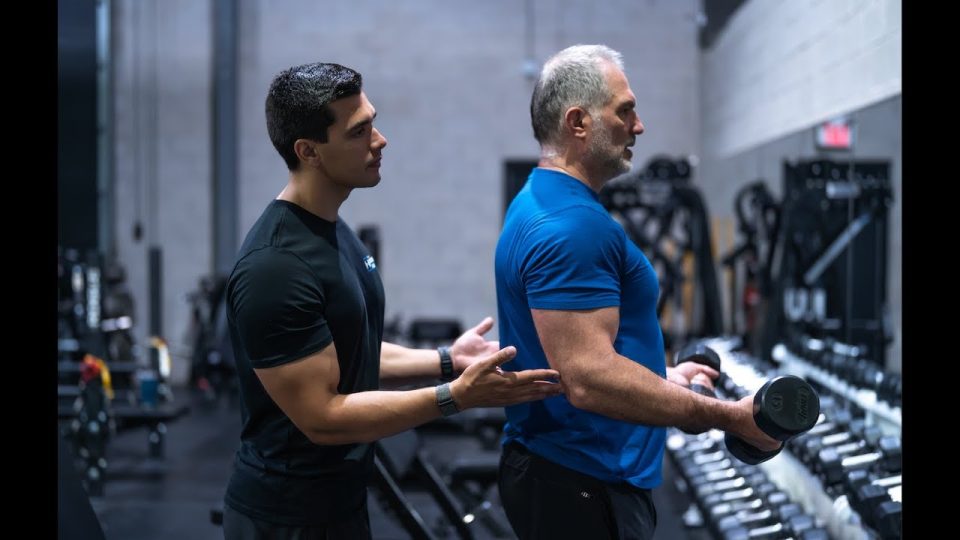
Fitness in Singapore is evolving rapidly as more people embrace data driven training and advanced movement analysis. The shift toward technology enhanced coaching is not limited to athletes. Everyday adults, office workers, seniors and beginners are now exploring tools that measure how they move, how their muscles activate and how their bodies respond to each training session. This modern approach provides deeper insight into posture, strength, reaction time and movement efficiency.
Many individuals discover these innovations when they start exploring personal training singapore, where trainers use technology to observe patterns the human eye alone may not catch. These tools help identify imbalances, improve technique, track progress and reduce injury risks. As digital platforms, sensors and smart biomechanical systems become more accessible, training becomes more accurate, more personalised and more effective.
The Rise of Smart Biomechanics in Fitness
Biomechanics studies how the body moves, how force is created and how joints and muscles coordinate during movement. Smart biomechanics uses technology such as motion sensors, pressure analysis, force measurement tools and wearable trackers to understand the movement in a more detailed way.
By combining this information, trainers can pinpoint inefficiencies, detect asymmetries and design targeted training programmes. This helps clients move better, not just train harder. In Singapore’s fast moving environment, where many adults sit for long hours, this is especially important for maintaining long term joint health.
Why Smart Technology Matters in Personal Training
Technology enhances personal training by offering accurate data rather than relying solely on observation. Trainers can now measure joint angles, track muscle activation patterns and assess stability during dynamic exercises. This shifts training from a general routine to a science supported approach.
Key benefits of smart technology include:
-
Real time correction for form and alignment
-
Early detection of movement imbalances
-
Personalised load progression based on data
-
Better injury prevention
-
More efficient training sessions
-
Motivational progress tracking
These benefits create a more meaningful and measurable experience for clients of all fitness levels.
Motion Tracking and 3D Analysis During Training
Motion tracking systems analyse how a person moves through 3D space. These systems use sensors or infrared cameras to map joint angles and movement paths. They can show whether someone leans to one side, rotates excessively or uses the wrong muscles during an exercise.
Motion tracking reveals:
-
Hip shift during squats
-
Spine movement during deadlifts
-
Shoulder alignment during presses
-
Foot placement during lunges
-
Gait irregularities when walking or running
With this data, trainers can refine technique in ways that significantly improve outcomes.
Wearable Sensors for Heart Rate and Performance Tracking
Wearable devices such as straps, watches and sensor patches provide valuable data about heart rate patterns, stress levels and recovery. Tracking these elements helps trainers adjust the intensity of a session based on how well a person is coping.
Wearable sensors monitor:
-
Heart rate during training
-
Sleep quality
-
Stress patterns
-
Daily activity levels
-
Recovery score
-
Resting heart rate trends
This information helps trainers personalise each session to match the client’s readiness and optimise long term progress.
Pressure Sensors and Foot Mechanics Analysis
Foot pressure sensors evaluate how a person distributes weight when they stand, walk or exercise. Poor foot mechanics often contribute to knee pain, hip tightness or lower back discomfort. Trainers use this information to develop exercises that correct these patterns.
Pressure analysis can detect:
-
Overpronation
-
Limited ankle mobility
-
Uneven step pressure
-
Weak arches
-
Imbalanced gait patterns
These issues are common among office workers who spend long hours sitting with limited foot movement.
Force Plates for Strength and Balance Training
Force plates measure the amount of force generated by each leg during a movement. They help reveal how well a person distributes weight, how strong each limb is and how stable their balance is during dynamic motions.
Force plate data helps with:
-
Vertical jump assessment
-
Balance and stability tests
-
Power output measurement
-
Limb asymmetry detection
-
Rehab progress tracking
This data gives clients a clearer understanding of how their bodies work.
AI Driven Movement Coaching
Artificial intelligence has entered the fitness world, assisting trainers by offering immediate feedback. AI powered systems analyse movement patterns and identify incorrect angles or timing issues.
AI coaching supports:
-
Technique refinement
-
Safer movement patterns
-
Efficient repetition control
-
Consistent feedback during solo workouts
This complements the trainer’s expertise and helps clients stay on track even outside coaching sessions.
How Smart Biomechanics Supports Injury Prevention
Injury prevention is one of the biggest advantages of using smart technology in fitness. Detection of imbalances early on prevents overuse stresses and incorrect loading patterns.
Examples of how technology prevents injury:
-
Identifying left right muscle imbalances
-
Revealing poor joint tracking
-
Correcting unstable foot mechanics
-
Reducing poor posture habits
-
Monitoring fatigue markers
This is especially useful in Singapore, where many people have posture related issues from long commutes and deskbound work.
Creating Personalised Programmes with Technology
Trainers use smart data to create precise programmes that address the client’s unique strengths and weaknesses. The result is a plan that is far more tailored than general workouts.
A tech guided programme includes:
-
Strength building for weak areas
-
Mobility work for restricted joints
-
Load adjustments based on fatigue
-
Cardio pacing based on heart rate zones
-
Balance training based on gait patterns
Technology removes guesswork and brings clarity to the training process.
Why Singapore Is a Growing Hub for Tech Based Fitness
Singapore has a tech friendly culture, fast adoption of digital tools and a strong interest in health and wellness. Office heavy work environments and high stress loads also make data driven training highly relevant. People want efficiency, accuracy and clear progress tracking. Smart biomechanics supports these expectations.
As the industry develops, more facilities and trainers integrate technology to offer customised and results focused programmes. This aligns well with the lifestyle of Singaporeans who value precision and measurable improvement. Facilities such as True Fitness Singapore support these evolving trends by integrating modern training methods that match client needs.
FAQ
Q1. Do I need prior experience to use tech based training tools?
No. Trainers guide you through the process and interpret the data for you. The tools simply enhance your understanding.
Q2. Are wearable sensors necessary for every session?
Not always. They are used when needed to track progress, measure effort or monitor recovery.
Q3. How accurate are motion tracking systems?
Modern systems provide high accuracy and are widely used for sports performance, rehab and strength training.
Q4. Can tech based training help with pain or posture issues?
Yes. It helps identify the root cause of discomfort and guides corrective exercises effectively.
Q5. Is technology useful for beginners?
Beginners often benefit the most because tech based guidance helps them learn correct movement from the start.
