
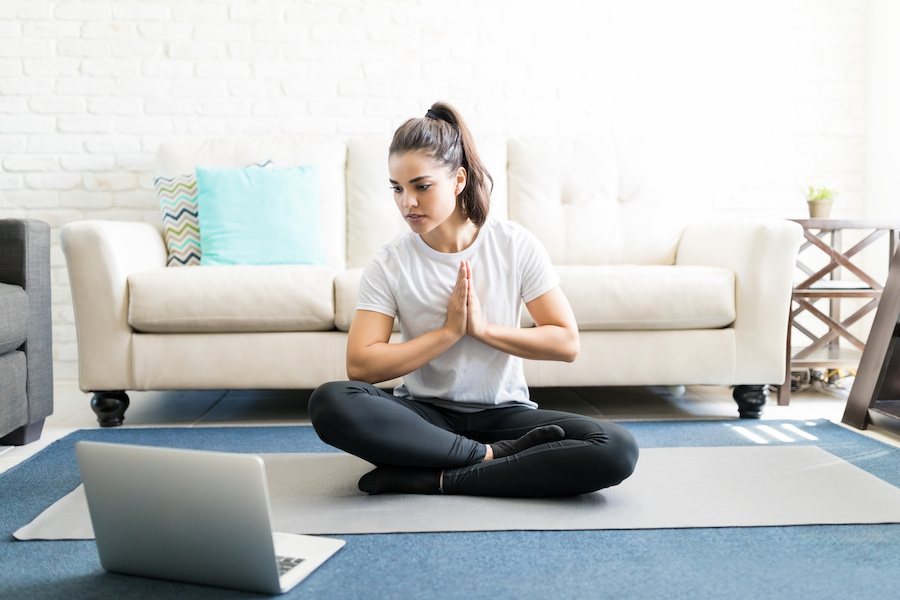
In today’s digital age, technology touches nearly every part of our lives—from how we work to how we learn and even how we relax. Yoga, once practised only in serene studios or open-air retreats, has evolved into a modern hybrid form where tradition meets innovation. With the growing popularity of yoga classes, practitioners in Singapore and around the world are discovering new ways to stay connected to their wellness routines through online and virtual platforms. Far from diminishing yoga’s essence, technology is making it more inclusive, flexible, and accessible to everyone.
The Digital Transformation of Yoga
The pandemic accelerated a global shift toward online fitness. Yoga, being one of the most adaptable forms of exercise, easily transitioned into digital spaces. What began as a necessity has now become a long-term trend. Students can attend live-streamed classes, follow recorded sessions, or join virtual retreats from anywhere in the world.
This transformation has not replaced the traditional in-studio experience but complemented it. Practitioners now enjoy the best of both worlds—personal connection during studio sessions and convenience when practising from home.
Why Virtual Yoga Appeals to Modern Practitioners
Modern life is fast-paced and unpredictable. Between work, family, and travel, maintaining a consistent yoga routine can be challenging. Virtual yoga solves this problem by removing geographical and time constraints.
-
Flexibility: Students can choose from live or recorded sessions based on their schedule.
-
Comfort: Practising at home creates a sense of ease and privacy, especially for beginners.
-
Global Access: People can learn from renowned instructors across borders.
-
Affordability: Online subscriptions often cost less than in-person memberships, making yoga accessible to more people.
In Singapore, where busy professionals often struggle to balance health with career, virtual yoga offers a convenient way to maintain well-being without compromising time.
How Technology Enhances Yoga Practice
Technology does not replace mindfulness—it amplifies it. New tools and digital platforms are improving how people engage with yoga.
-
Wearable Devices: Smartwatches and sensors monitor breathing, heart rate, and posture, giving real-time feedback during practice.
-
AI-Powered Guidance: Some platforms use artificial intelligence to correct poses and recommend sequences based on user progress.
-
Virtual Reality (VR) Sessions: Immersive environments allow practitioners to experience tranquil settings like beaches or mountain peaks while meditating or performing poses.
-
Community Apps: Online platforms foster global yoga communities, enabling practitioners to share experiences, challenges, and progress.
This blending of ancient wisdom with cutting-edge technology creates a personalised and engaging experience for every individual.
Preserving the Traditional Spirit in a Digital Space
Despite the convenience of virtual learning, many practitioners fear losing the spiritual and communal essence of yoga. The key to balance lies in intention. Online yoga sessions that integrate mindful breathing, guided meditation, and philosophical teachings preserve the depth of practice.
Dedicated instructors still focus on emotional and spiritual well-being, ensuring that yoga’s holistic purpose—self-awareness and connection—is not lost in the transition.
The Role of Hybrid Studios in Singapore
Hybrid yoga studios have become a defining feature of Singapore’s wellness scene. These studios offer both in-person and virtual options, giving members freedom of choice. Many professionals attend weekday online sessions and join in-studio classes during weekends.
Hybrid systems also allow international instructors to collaborate with local studios, enriching the diversity of teaching styles. This global exchange of knowledge strengthens Singapore’s position as a leader in wellness innovation.
Accessibility and Inclusivity Through Technology
One of the most significant advantages of virtual yoga is inclusivity. It has opened the door to people who might never have joined a physical studio due to distance, disability, or financial limitations.
Elderly individuals, new mothers, and those with mobility restrictions can now participate comfortably from home. Classes can be paused, repeated, or adjusted according to personal pace, ensuring safety and confidence.
Technology has democratised yoga by removing traditional barriers and allowing everyone to benefit from its healing effects.
Building Routine and Discipline with Digital Tools
Maintaining consistency can be difficult without a structured environment. Fortunately, technology helps create accountability and routine.
-
Reminders and Progress Trackers: Apps send daily practice reminders and record milestones.
-
Virtual Challenges: Online communities often host 21-day yoga challenges to motivate members.
-
Personalised Playlists: Platforms suggest music or guided meditations based on the practitioner’s energy level and mood.
This combination of structure and motivation keeps practitioners engaged even when they practise alone.
The Human Connection in a Virtual World
Although yoga is deeply personal, it thrives on shared energy. Virtual classes foster community through live interactions, chat features, and social media groups. Instructors offer encouragement and corrections in real-time, maintaining a sense of belonging and collective purpose.
Participants often report that these virtual connections feel surprisingly authentic. Seeing familiar faces on the screen creates emotional support and continuity, especially during times of isolation or travel.
The Role of Mindfulness in Digital Yoga
It’s easy to view online yoga as just another form of exercise. However, the essence lies in mindfulness—the conscious attention to each breath and movement.
Instructors who focus on mindfulness ensure that students remain present despite digital distractions. Techniques like setting intentions, breathing awareness, and guided meditation help practitioners maintain the same spiritual depth as in-studio classes.
Even while using modern technology, the goal remains the same: self-awareness, peace, and connection between body and mind.
Real-Life Stories from Singapore Practitioners
In Singapore, many people have successfully integrated virtual yoga into their lives. A working mother shared how early morning online sessions improved her energy levels and reduced anxiety before the workday. Another practitioner living abroad continues to join his favourite Singapore studio virtually to maintain his sense of community.
For many, these classes became a lifeline during travel restrictions and remain a preferred option today due to flexibility and comfort.
How Studios Like Yoga Edition Bridge the Gap
Yoga Edition embodies the perfect balance between tradition and technology. The studio combines physical sessions with digital accessibility, ensuring every student can practise wherever they are. Its expert instructors design sessions that maintain emotional depth and mindfulness, whether online or in person.
By embracing digital innovation without losing authenticity, Yoga Edition continues to set the standard for modern wellness experiences in Singapore.
Tips for Making the Most of Virtual Yoga
To gain the maximum benefit from digital yoga, mindfulness and consistency are essential.
Practical tips include:
-
Choose a quiet space free from distractions.
-
Use a quality mat and stable internet connection.
-
Keep your camera on for instructor feedback.
-
Set a fixed schedule to maintain regularity.
-
Begin and end each session with intention or gratitude.
Following these steps ensures a smooth and fulfilling experience, allowing technology to serve as an ally in personal growth.
FAQs
Q1. Are virtual yoga classes as effective as in-person sessions?
Yes, when practised consistently and with attention, virtual sessions can deliver equal benefits. The key is to stay focused and follow guidance closely.
Q2. What technology do I need for online yoga?
A stable internet connection, a laptop or tablet, and a yoga mat are usually sufficient. Optional accessories like Bluetooth speakers or wearables can enhance the experience.
Q3. How do instructors ensure safety during virtual classes?
Certified teachers guide students through visual demonstrations, verbal cues, and real-time corrections. They also recommend modifications for different fitness levels.
Q4. Can beginners start with virtual classes?
Absolutely. Many online platforms cater to beginners with step-by-step instructions, short sessions, and slow-paced sequences.
Q5. Is hybrid yoga here to stay?
Yes. Hybrid models combining virtual and physical classes are now the future of wellness. They provide flexibility, inclusivity, and long-term engagement for global practitioners.
The future of yoga lies in harmony between technology and tradition. Virtual yoga has made mindful movement accessible to everyone, bridging time zones and lifestyles. Whether you are in a studio or practising at home, the essence of yoga remains unchanged—unity of body, mind, and spirit in every breath.
